Fines for fly-tipping in Leyton -- legal guide
If you have found dumped rubbish in Leyton, or you are worried about whether your own waste could put you at risk, you are not alone. Fly-tipping can start with something as small as a black bag left by a gate and end with a proper headache: complaints, cleanup costs, and sometimes a fine. This legal guide on Fines for fly-tipping in Leyton -- legal guide explains how enforcement usually works, who may be held responsible, and what sensible steps to take next. Truth be told, the rules can feel a bit blunt, but the practical side is manageable once you know where you stand.
For households, landlords, letting agents, builders, and businesses in Leyton, the main issue is simple: waste has to be handled lawfully. That means using the right disposal route, keeping records where needed, and not assuming that "someone else will deal with it." They might not. And that is where trouble starts.
Table of Contents
- Why Fines for fly-tipping in Leyton -- legal guide Matters
- How Fines for fly-tipping in Leyton -- legal guide Works
- Key Benefits and Practical Advantages
- Who This Is For and When It Makes Sense
- Step-by-Step Guidance
- Expert Tips for Better Results
- Common Mistakes to Avoid
- Tools, Resources and Recommendations
- Law, Compliance, Standards, or Best Practice
- Options, Methods, or Comparison Table
- Case Study or Real-World Example
- Practical Checklist
- Conclusion
- Frequently Asked Questions
Why Fines for fly-tipping in Leyton -- legal guide Matters
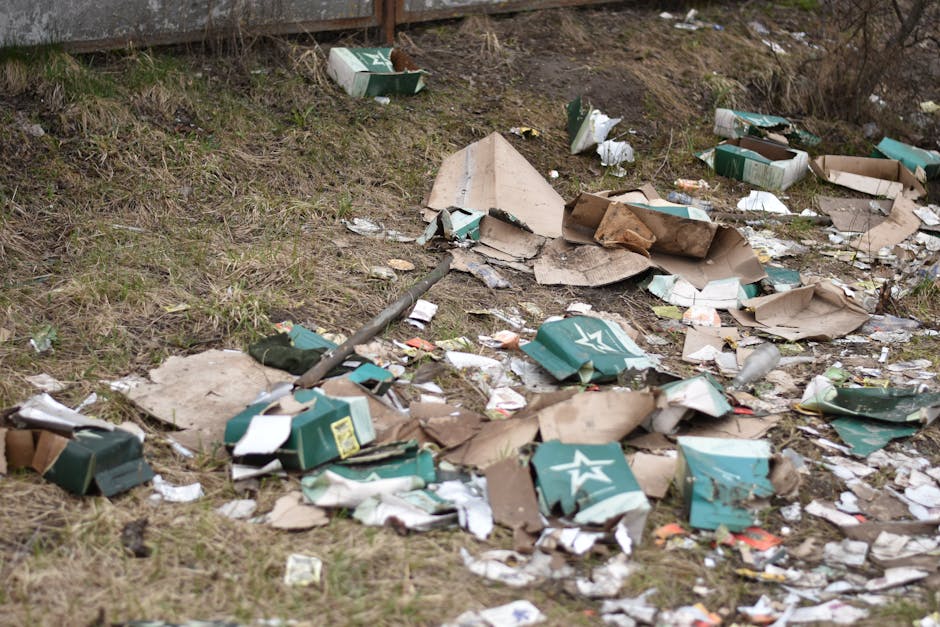
Fly-tipping is not just an eyesore. In a busy part of east London like Leyton, dumped waste can block pavements, attract vermin, create fire risk, and make a street feel neglected almost overnight. You will notice it most after weekends, building work, or a move when bulky items suddenly appear beside a wall or in a service alley. It is messy, it is costly, and it can be surprisingly personal if the waste ends up outside your property.
The legal side matters because fines are only one part of the picture. People often focus on the penalty amount, but the bigger risk is being linked to waste that you failed to control properly. That can happen to a householder who passed bags to the wrong person, a landlord who left items in a shared area, or a small business that handed over waste without checking the paperwork. A quick, careless decision can snowball. A funny thing, really, how a van load of rubbish can create more stress than the room it came from.
This is why a proper guide is useful. Not to scare you, but to help you make sensible choices before things go wrong. If you are clearing out a home or flat, home clearance services and flat clearance support can help reduce the temptation to dump items illegally when space, time, or access is tight. If the job is larger, a structured waste removal approach is usually far safer than trying to improvise.
Expert summary: The real problem with fly-tipping fines is not only the penalty itself, but the risk of being treated as responsible for waste that was not managed properly. Keep control of your rubbish from start to finish.
How Fines for fly-tipping in Leyton -- legal guide Works
Fly-tipping enforcement normally turns on a few basic questions: where the waste was left, who left it, and whether there is enough evidence to link a person or business to it. In practice, enforcement may start with a report from a resident, a site inspection, or a complaint about repeated dumping. The council or enforcement body may then look for identifying details in the waste itself, such as addressed paperwork, packaging, invoices, or labels. It is a simple idea, but it can be quite effective.
If a person is identified, the response may range from a warning or fixed penalty to prosecution in more serious cases. The exact route depends on the circumstances, the amount and type of waste, and whether there is evidence of deliberate behaviour. For example, a single bag left behind a row of shops is one thing; repeated dumping of construction waste is another. Builders and contractors should be especially careful with materials such as plasterboard, broken timber, bricks, and mixed rubble. A job that starts with good intentions can quickly become a compliance issue if the waste leaves the site in the wrong way. For that kind of work, builders waste clearance is often a much safer route.
There is also the question of shared responsibility. If you hired someone to remove waste and they dumped it illegally, you may still need to prove you took reasonable steps to check who you used. That is why receipts, quotes, and service details matter. The paperwork is boring, yes, but boring is good here. Boring is evidence.
In mixed-use areas, business waste can be a separate problem. Offices, shops, cafes, and small studios should not treat waste like an afterthought. If your business produces recurring rubbish, a proper arrangement through business waste removal is usually the cleanest and safest option.
Key Benefits and Practical Advantages
Understanding fly-tipping fines gives you more than legal caution. It helps you make better decisions, save time, and avoid messy disputes. That might sound obvious, but people are often dealing with a move, bereavement clearance, renovation, or end-of-tenancy pressure when mistakes happen. Nobody is at their best while standing in a corridor full of old furniture and half-packed boxes.
- Reduced legal risk: You are less likely to be linked to illegal dumping if you use a proper disposal route and keep records.
- Lower cleanup stress: Dealing with waste properly is usually quicker than explaining why it ended up on a public road.
- Better cost control: Fixed quotes and planned removal are easier to budget for than paying for an avoidable problem later.
- Improved reputation: This matters for landlords, managing agents, tradespeople, and local businesses in Leyton.
- Safer surroundings: Proper disposal reduces hazards like sharp objects, blocked access, and contamination.
There is another benefit people do not always mention: peace of mind. Once waste is gone the right way, you do not keep glancing out of the window wondering whether someone will complain. That low-level worry drains energy, and it really does add up.
If you are clearing furniture, remember that bulky items should never be left in a random spot with the hope that "someone will take it." That is how sofas become fly-tipping, and sofas, unlike cats, do not usually wander off by themselves. For lawful disposal, look at furniture disposal or a more complete furniture clearance arrangement.
Who This Is For and When It Makes Sense
This guide is useful if you are a householder, tenant, landlord, letting agent, tradesperson, office manager, or anyone handling waste in Leyton. It also matters if you have found dumped waste near your building and want to understand what the law may do next. Different people have different risks, but the common thread is control. Whoever controls the waste should take it seriously.
It makes sense to read this before:
- moving house or clearing a flat
- renovating a kitchen, bathroom, or garden
- replacing office furniture or equipment
- emptying a loft, garage, or shed
- ending a tenancy
- disposing of bulky items after a delivery or refurbishment
If you are the kind of person who likes to "sort it later," this is your reminder that later can become expensive. Especially after a rainy week, when cardboard softens, bags split, and waste gets spread around by wind and traffic. In London, that tends to look worse very quickly.
For property cleanouts, services such as house clearance, loft clearance, and garage clearance can be practical alternatives to ad hoc dumping. They are also helpful when access is awkward or time is limited. That is often the real issue.
Step-by-Step Guidance
If you want to stay on the right side of fly-tipping rules, a simple process works best. No drama, no guesswork.
- Identify the waste properly. Separate household items, furniture, garden cuttings, builders' debris, and office waste. Mixed waste can be more difficult to handle and may cost more to dispose of lawfully.
- Check whether it needs specialist handling. Some items need extra care, such as sharp materials, heavy waste, or anything potentially hazardous. Do not assume it is all the same just because it is "rubbish."
- Choose a legitimate disposal route. Use a licensed waste carrier or a proper clearance service. If you are handling commercial waste, keep the arrangement formal and traceable.
- Get clear paperwork. Keep invoices, receipts, and service details. If something later goes wrong, this is your proof of due diligence.
- Do not leave items on the street. Not even "temporarily." That habit causes more problems than people expect.
- Arrange collection or transport carefully. Make sure the waste is loaded securely, especially in bad weather or when transporting loose materials.
- Confirm disposal and recycling practices. Where possible, choose a provider that focuses on responsible sorting and recycling. It is better for compliance and often better for the environment too.
If you need a straightforward option for mixed household items, waste removal can be the easiest way to avoid risky shortcuts. And if recycling matters to you, a provider with a clear recycling and sustainability approach is worth considering.
Expert Tips for Better Results
In our experience, the best way to avoid fly-tipping problems is to plan the waste out before the work starts, not after the bags are already overflowing. That small shift changes everything.
- Keep waste separate as you go. Furniture, cardboard, green waste, and construction debris should not be piled into one mystery heap unless you have no choice. Sorting early makes lawful disposal easier.
- Photograph waste before collection. This can help if there is later confusion about what was removed and when.
- Ask for a written quote. It reduces misunderstandings and makes the arrangement clearer.
- Check access in advance. Narrow staircases, controlled parking, and top-floor flats can all affect how waste is moved. A good plan saves frustration.
- Think about timing. If bins are already full or access is restricted, do not leave waste waiting in a public area overnight.
- Use a service that fits the job. A garden clearance is not the same as an office clearance, and trying to force one solution into another can lead to headaches.
A slightly old-fashioned habit still helps: keep a folder, digital or paper, with quotes, receipts, and messages about the collection. It sounds dull. It is dull. But it works.
For workplace or commercial settings, office clearance can be a cleaner way to manage desks, chairs, and mixed office items without risking a bad disposal decision. If you are clearing a landscaped plot, garden clearance is usually the more sensible fit.
Common Mistakes to Avoid
Most fly-tipping problems come from a small number of repeated mistakes. The good news is that they are avoidable.
- Using an unverified waste carrier. If you cannot show who took the waste, you may struggle later.
- Leaving rubbish beside bins or skips. That is often treated as dumping, even if you intended it as "near the right place."
- Assuming someone else will finish the job. If you hand waste to a contractor, still make sure the arrangement is clear.
- Mixing legal clearance with casual dumping. A proper job should not include a vague "we'll take care of it" attitude and hope for the best.
- Ignoring bulky items. Mattresses, wardrobes, broken shelving, and office furniture are common troublemakers.
- Throwing away documents without checking them. Letters, labels, and invoices in rubbish can link waste back to you or your business.
One practical mistake deserves a special mention: people often think that if waste is left on private land, it somehow stops being a problem. Not really. It can still create liability, neighbour complaints, and enforcement attention. Private land is not a magic shield.
Tools, Resources and Recommendations
You do not need fancy systems to manage waste well. A few simple tools will do the job:
- Phone camera: Take before-and-after photos of the waste area.
- Notes app or folder: Keep collection dates, names, and service details.
- Separate bags or stacks: Keep categories apart where possible.
- Access plan: Note lifts, stairwells, parking, and loading points in advance.
- Quotation record: Save the agreement so you can show what was arranged.
If you want a structured service, the most relevant pages depend on the job. A domestic clear-out may fit house clearance or home clearance. A business premises job may suit business waste removal. For those dealing with old sofas, chairs, tables, or broken cabinets, furniture clearance is often the neatest option.
And if you are trying to understand service standards more broadly, it can help to read about insurance and safety, health and safety policy, and terms and conditions. Those pages are not legal advice, of course, but they do show how a professional provider should think about risk and responsibility.
Law, Compliance, Standards, or Best Practice
Fly-tipping laws in England are designed to stop waste being left illegally and to support proper duty of care around disposal. In plain English, that means you should know who is taking your waste, where it is going, and whether the disposal route is lawful. If you are a business, the expectations are usually stricter because commercial waste has to be managed with care and records.
Best practice usually includes:
- using a reputable and appropriate waste service
- keeping written evidence of collection or disposal
- not leaving waste in public spaces, even briefly
- sorting materials where practical
- treating mixed waste carefully, especially after building work
There is a useful distinction here. Legal compliance is the minimum. Best practice is what keeps life calmer. If you are renting out property, managing multiple units, or handling repeated clearances, best practice is probably what saves you from awkward calls later on.
For recurring trade or renovation waste, builders waste clearance and waste removal are usually safer than improvising with domestic bins. If you need to keep everything tidy and documented, that is the standard to aim for.
Options, Methods, or Comparison Table
There is more than one way to handle waste in Leyton, but not every method carries the same level of risk. Here is a simple comparison to help you choose.
| Method | Best for | Main advantage | Main risk |
|---|---|---|---|
| DIY transport to a facility | Small, manageable loads | Control over what goes where | Time-consuming; easy to make errors if paperwork is weak |
| Ad hoc roadside dumping | Nothing, really | None worth having | High fly-tipping risk and possible fines |
| Private waste collection | Households and businesses | Convenient and traceable when done properly | Only safe if the provider is legitimate and records are kept |
| Specialist clearance service | Bulky, mixed, or access-heavy jobs | Less stress, better handling of awkward waste | Needs a clear quote and scope to avoid confusion |
To be fair, most people do not need every option. They just need the one that works on a Tuesday afternoon when the skip is full, the stairs are narrow, and the neighbour wants the passage clear. That is where a proper service tends to earn its keep.
Case Study or Real-World Example
Consider a typical Leyton flat clear-out. A tenant is moving out after years in the same place. There is a broken wardrobe, a mattress, a few bags of old clothes, and some scattered cardboard from new furniture deliveries. The temptation is to leave a pile by the front railings "just until morning." That is exactly the sort of moment where fly-tipping risk creeps in.
Instead, the tenant arranges a lawful collection, keeps the receipt, photographs the items before removal, and gets confirmation of what was taken. The flat is cleared in one visit, the stairwell stays usable, and no one has to argue about whose bag was whose. Simple, but not magical. Just organised.
Now compare that with a small business refurb on a narrow Leyton street. Boxes, packaging, and broken shelving are placed outside the premises while staff wait for a friend's van. Overnight wind spreads lightweight materials along the pavement. By the next morning, it looks like neglect, even if the original intention was harmless. That kind of scenario is how enforcement attention often begins.
The difference between the two is not luck. It is process.
Practical Checklist
Use this checklist before waste leaves your property or site:
- Have I identified exactly what needs to go?
- Have I separated bulky, recyclable, and special items where possible?
- Do I know who is collecting or transporting the waste?
- Is there a written quote, receipt, or agreement?
- Have I checked access, parking, and timing?
- Will anything be left on public land, even briefly?
- Do I have photo evidence of the waste before collection?
- Am I confident the disposal route is lawful?
- Have I chosen the right service type for the job?
- Have I saved the records in case of later questions?
If you can tick all ten, you are in a much better place. If not, pause and tidy up the arrangement first. A ten-minute delay is cheaper than a long conversation about why a sofa appeared by the kerb.
Conclusion
Fines for fly-tipping in Leyton are not something to brush off as a distant council issue. They are part of a wider responsibility to handle waste properly, keep evidence, and avoid casual shortcuts that create legal and practical trouble. The good news is that the right habits are straightforward: choose lawful disposal, keep records, and do not let waste drift into public spaces.
Whether you are clearing a home, managing a business premises, or dealing with bulky items after a renovation, the safest path is usually the simplest one. Plan it, document it, and get it moved properly. That small bit of order saves a lot of stress later on.
Get a free quote today and see how much you can save.
And if you are in the middle of a messy clear-out right now, take a breath. The problem is usually fixable once the waste is handled the right way.
Frequently Asked Questions
What is fly-tipping in Leyton?
Fly-tipping is the illegal dumping of waste on land that does not have permission to receive it. In Leyton, that can include bags, furniture, construction debris, or mixed rubbish left on pavements, alleyways, frontages, or private land without consent.
Can I be fined if someone else dumped waste near my property?
Possibly, if the waste can be linked back to you or if you failed to manage it properly. That is why receipts, collection details, and careful record-keeping matter. It is not always about where the waste ended up; sometimes it is about how it got there.
How do councils usually identify who fly-tipped waste?
Enforcement teams often look for names, addresses, labels, invoices, packaging, or other clues in the waste itself. They may also consider witness reports, vehicle details, or repeated patterns. It sounds low-tech, but it often works.
What should I do if I find fly-tipped rubbish outside my home?
Do not move or disturb anything dangerous. Take photos if it is safe, note the location, and report it through the proper local route. If the waste blocks access or looks hazardous, treat it as urgent.
Is leaving rubbish beside a bin classed as fly-tipping?
It can be. Leaving items beside a bin or container does not make them disappear into the lawful waste stream. If the waste is not collected through the correct process, it may still count as dumping.
Do businesses face different consequences from households?
They can. Businesses are usually expected to keep better waste records and use proper disposal arrangements. Commercial waste that is handled casually can create wider compliance problems, not just a one-off fine.
What paperwork should I keep after a waste collection?
Keep the invoice, receipt, any written quote, service confirmation, and notes about what was collected and when. If anything is ever queried, that paperwork becomes very useful very quickly.
Are furniture and bulky items a common fly-tipping problem?
Yes. Sofas, wardrobes, mattresses, and broken cabinets are often left improperly when people cannot get them out easily or do not want the hassle of proper disposal. That is exactly when a lawful clearance service helps.
How can I reduce the risk of a fly-tipping fine during a home clear-out?
Use a legitimate collection service, keep records, avoid leaving waste outside, and make sure the waste is handled promptly. For larger jobs, a planned home clearance can be much safer than piecemeal disposal.
What if I already used someone and now I am worried they dumped the waste illegally?
Gather every record you have: messages, receipts, payment proof, photos, and the vehicle or business details. Then act quickly. The more evidence you keep, the better you can show you took reasonable steps.
Is recycling part of avoiding fly-tipping risk?
Yes, in a practical sense. When waste is sorted properly, it is easier to dispose of lawfully and less likely to be abandoned as a mixed mess. Responsible disposal and recycling usually go hand in hand.
Where can I start if I need lawful waste help in Leyton?
Start with the type of waste you have and the access conditions at the property. From there, choose the most suitable service, whether that is waste removal, furniture disposal, or a more specific clearance option. Small decisions made early tend to prevent bigger problems later.