Garden waste contamination rules for Leyton households: a clear, practical guide
If you have ever stood beside a green bin with a half-filled bag of hedge trimmings in one hand and a questionable bit of plastic in the other, you will know the awkward little question: does this go in, or not? That is exactly where Garden waste contamination rules for Leyton households matter. A "clean" load helps keep collections efficient, supports recycling, and avoids the kind of rejected waste that can create extra cost, extra hassle, and a fair bit of frustration.
This guide breaks the topic down in plain English. You will learn what contamination means, why it matters in Leyton homes, how to sort garden waste properly, and what mistakes to avoid. We will also cover best practice, a practical checklist, and a realistic example from an ordinary household situation. Nothing fancy. Just the sort of advice that saves time on a damp Saturday morning when the bags are already heavy and the wheelie bin lid will barely shut.
For readers who want to understand the wider service and trust side as well, it can also help to look at the company's recycling and sustainability approach, plus practical details on pricing and quotes if you are comparing your options. And if you need to speak to someone directly, the contact page is the simplest next step.
Quick takeaway: garden waste should be kept as clean and natural as possible. The more soil, plastic, food waste, pots, wrappers, and general rubbish that gets mixed in, the more likely the load is to be treated as contaminated rather than reusable green waste.
Table of Contents
- Why Garden waste contamination rules for Leyton households matters
- How Garden waste contamination rules for Leyton households works
- Key benefits and practical advantages
- Who this is for and when it makes sense
- Step-by-step guidance
- Expert tips for better results
- Common mistakes to avoid
- Tools, resources and recommendations
- Law, compliance, standards, or best practice
- Options, methods, or comparison table
- Case study or real-world example
- Practical checklist
- Conclusion
- Frequently asked questions
Why Garden waste contamination rules for Leyton households matters
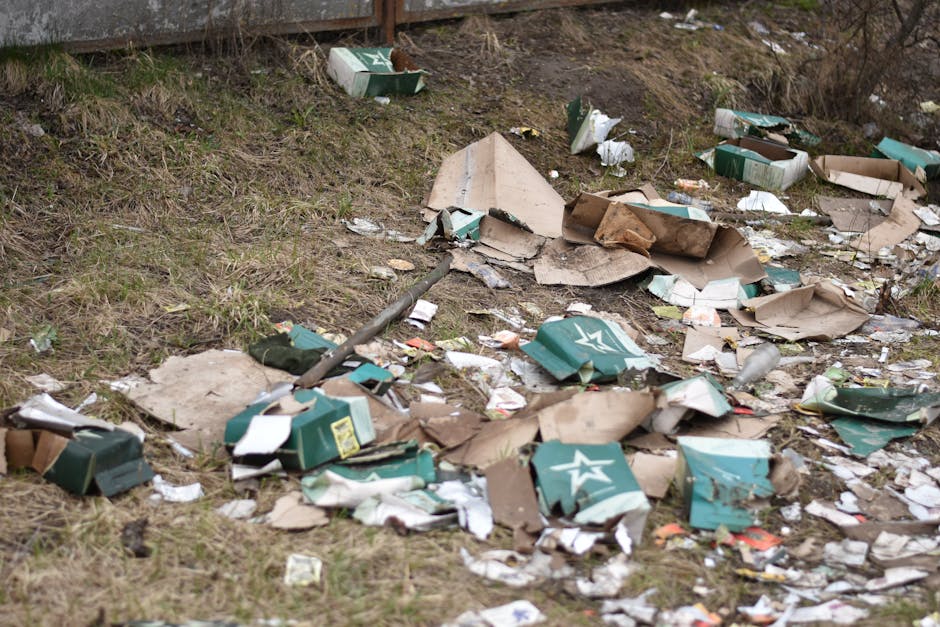
Garden waste looks simple on the surface. Grass cuttings, leaves, hedge trimmings, small branches. Easy enough. But in practice, contamination is where things go sideways. One plastic plant label. A broken flower pot left at the bottom of the bag. A bit of general household rubbish swept in with the weeds. Suddenly the whole load becomes harder to recycle or compost properly.
That matters for three reasons. First, contamination can reduce the quality of the collected material. Second, it can slow down sorting and processing. Third, it can lead to rejected loads or extra handling, which is exactly the sort of thing everyone wants to avoid. Nobody enjoys paying for a "garden waste" collection only to discover it has turned into a mixed rubbish problem. Let's face it, that is a very annoying kind of surprise.
For Leyton households, the topic is especially relevant because many gardens are compact, shared, or part of busy terraced properties where garden clear-ups happen in bursts rather than with big weekly tidy-ups. That means waste tends to pile up quickly: pruning after spring growth, lawn cuttings after a damp spell, autumn leaves everywhere, then a bit of soil on top. If you do not separate the waste carefully as you go, contamination creeps in almost without you noticing.
There is also a practical side. Clean garden waste is easier to move, easier to store, and easier to present for collection. It smells less, spills less, and generally causes fewer headaches. In our experience, the households that spend two extra minutes checking bags before collection day tend to have far fewer problems than the ones who rush at the end. Two minutes. That is all. Sometimes less.
Expert summary: the best contamination rule is not complicated. Keep garden waste natural, clean, and separate. If an item would look out of place in a compost heap, it probably does not belong in the bin.
How Garden waste contamination rules for Leyton households works
At its core, the rule is straightforward: garden waste should contain garden waste. Not general rubbish. Not kitchen waste. Not recyclable packaging. And not bulky items hiding under the top layer like they are doing something clever. The idea is to keep the stream as pure as possible so it can be treated as green waste rather than mixed waste.
In practical terms, contamination checks usually focus on whether the load contains anything that would interfere with composting or recycling. That includes plastics, metals, glass, treated wood, rubble, soil in excess, food waste, dog waste, and non-organic bits from garden maintenance. Small amounts of dirt on roots are normal; an entire tray of heavy soil is a different matter. The distinction is less glamorous than a summer border, but it matters.
Households often get tripped up by the "looks natural, so it must be fine" assumption. A faded compostable-looking bag, for example, might still be treated differently from loose green waste depending on the collection setup. Likewise, string, twine, plant ties, and plant pots are all easy to overlook. They are tiny things, but tiny things add up. That is the annoying bit.
Another important part of how it works is separation. The cleaner the waste stream, the simpler the handling. If your garden clearance involves both green waste and other household items, it is usually best to keep them separate from the start. A mixed pile in the front garden looks efficient for about ten seconds, and then it becomes a sorting job in the rain.
For a better overall picture of responsible handling, it can be useful to review the company's health and safety policy and insurance and safety information. Those pages are not about bin sorting specifically, but they help show the standards behind careful, safe work.
What counts as garden waste?
Typical garden waste includes grass cuttings, hedge trimmings, leaves, weeds, small twigs, branches of manageable size, flowers, and plant clippings. Some schemes may also accept prunings from shrubs and seasonal cutbacks. The key idea is that it should be organic and suitable for composting or green waste processing.
What counts as contamination?
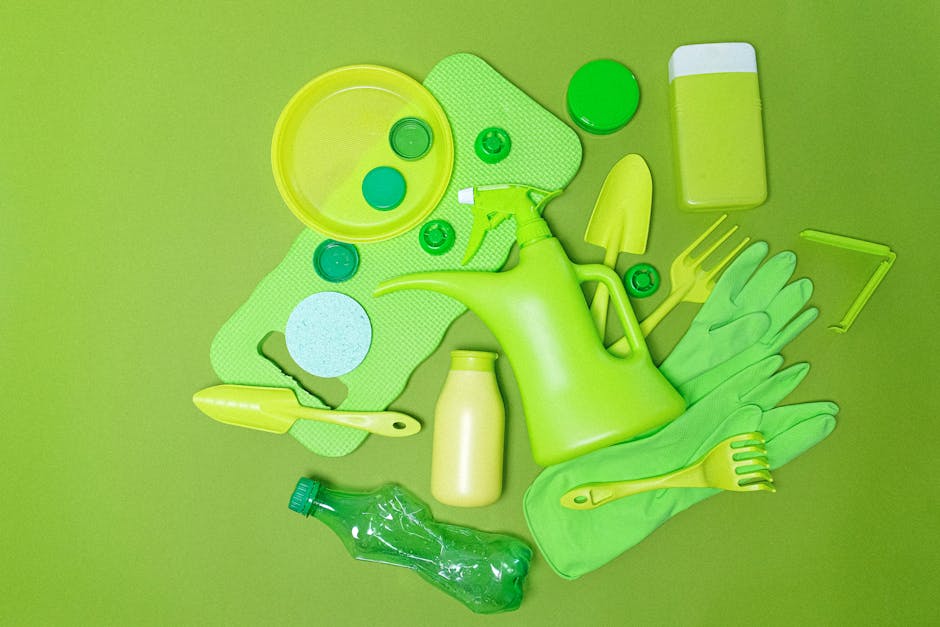
Contamination is anything that should not be in that green waste stream. Common examples include plastic plant labels, bags of soil, broken pots, metal canes, stones, food waste, cigarette ends, and general rubbish that got scooped up by mistake. Even a small amount can create a problem if it is obvious or repeated.
Key benefits and practical advantages
Keeping garden waste clean is not only about compliance. There are real everyday advantages, and some are surprisingly immediate.
- Cleaner collections: bags are less likely to split, smell, or leak soil and liquid.
- Better recycling outcomes: properly sorted green waste is more likely to be processed efficiently.
- Less back-and-forth: you spend less time re-sorting or explaining what went wrong.
- Lower risk of rejection: contaminated loads are more likely to be flagged or refused.
- Better space management: neat sorting makes it easier to keep patios, alleys, and sheds tidy.
There is also a quieter benefit: it makes the whole job feel more manageable. Anyone who has done a proper garden clear-up knows how quickly the mood changes when the waste pile turns into a jumble of weeds, broken terracotta, old compost bags, and clipped branches. When the stream is clean, the job feels calmer. Less chaos. More control.
That matters if you are trying to plan around weekend work, school runs, or a neighbour who always seems to start drilling at exactly the wrong time. A cleaner process means less stress. Simple as that.
Who this is for and when it makes sense
This guidance is relevant for a wide range of Leyton households, not just people with big lawns or very tidy sheds.
- Homeowners doing seasonal garden maintenance
- Renters with small front or back gardens
- Shared homes managing a communal outdoor area
- Families clearing up after hedge trimming or leaf fall
- Residents preparing for a move and dealing with a neglected garden
- People booking a one-off clearance and wanting the waste sorted properly
It also makes sense whenever you have more than a bag or two of green waste. A small amount is easy to manage. A larger clear-up is where contamination creeps in, because you start grabbing items too quickly. The odd bit of old plant pot, a cracked tray, a strip of weed membrane, and before long the pile is mixed. Happens all the time.
If you are weighing up whether professional help is worth it, the decision often comes down to time, volume, and how mixed the waste is. A mostly clean pile of clippings is simple. A yard with branches, roots, soil, and leftover garden junk is more work. For that kind of mixed job, comparing pricing and quotes can help you make a practical decision rather than guessing.
Step-by-step guidance
If you want to handle garden waste properly, it helps to follow a simple routine. Nothing complicated. Just a sensible order of operations.
- Separate as you cut or clear. Keep green material in one pile and everything else in another. Do not wait until the end if you can avoid it.
- Remove obvious contaminants immediately. Pick out plastic ties, tags, pots, broken tools, packaging, and anything sharp.
- Shake off excess soil. Small amounts of dirt on roots are usually part of the job, but heavy soil should be handled separately.
- Cut larger branches down if needed. Oversized material is harder to store, stack, and collect neatly.
- Keep bags or containers dry where possible. Wet waste is heavier, messier, and less pleasant to handle.
- Do a final sweep before collection. Check the bottom of containers, not just the top. That is where the sneaky bits hide.
- Store mixed items apart. If you have garden waste plus other disposal items, keep them clearly separated from the beginning.
A useful habit is the "one glance test." Stand back and look at the pile for five seconds. Does anything in there look like it belongs in a shed, kitchen, or recycling box rather than in garden waste? If yes, take it out now. That tiny pause can save a re-sort later. And later is always worse, somehow.
A quick sorting method for busy households
If time is short, use three zones: green waste, non-green garden items, and general rubbish. Even a rough three-pile system is better than one big heap. You do not need perfection. You just need enough separation to keep contamination down.
Expert tips for better results
Here is where the small details make a real difference. They are not dramatic, but they are the sort of thing seasoned crews and organised households quietly rely on.
- Use clear bags or open crates for sorting. Being able to see the contents reduces mistakes.
- Keep a small "non-green" box nearby. Put plant labels, twist ties, string, and broken pots in it as you work.
- Dry waste when you can. If possible, let clippings drain before bagging. Heavy wet bags are a nuisance.
- Cut back in stages. For bigger jobs, clear the obvious waste first, then do a second pass for mixed debris.
- Do not bury rubbish in the middle of the pile. It may seem hidden, but it still counts as contamination.
- Check before the collection crew arrives. A last-minute walk-around saves embarrassment and delays.
One small but helpful tip: keep a pair of gloves and a hand fork or grabber by the door or shed. If you need to pick through clippings, you are more likely to do it properly when the tools are already there. Truth be told, half the battle is just making the task easy enough to start.
Another tip is to avoid overfilling bags. Packed, bulging bags hide contaminants. They also split at the worst possible moment, usually halfway down the path. Not ideal, especially if it has just started to drizzle.
If you are looking for a company that takes wider operational care seriously, the pages on about the company and recycling and sustainability can help you understand how they approach responsible handling, not just the collection itself.
Common mistakes to avoid
The same problems come up again and again. Most are simple to avoid once you know what to look for.
- Mixing household rubbish with green waste. Food packaging, bin liners, wipes, and general litter should stay out.
- Leaving plant pots attached to roots. Pots, trays, and tags are a classic contamination source.
- Including too much soil or rubble. A bit of dirt is normal; a load of compost, bricks, or stones is not.
- Using unknown bags or liners. If the bag material is not accepted, it may cause problems even if the contents are fine.
- Forgetting about ties and twine. Tiny bits of string are easy to miss.
- Assuming "organic" means "acceptable." Not everything biodegradable is suitable for the green waste stream.
One mistake that catches people out is garden waste from end-of-season clear-ups. After a long autumn tidy, the pile often contains bits of everything: leaf litter, broken stems, old plant supports, and a few random household bits that somehow found their way outside. It happens. But it still needs sorting before collection.
Another subtle error is mixing invasive weeds or heavily seeded material with ordinary clippings without considering how they will be processed. If you are unsure, it is safer to keep suspect material separate and ask before it goes out.
Tools, resources and recommendations
You do not need a full shed of specialist kit to manage garden waste properly, but a few basics make life much easier.
- Sturdy gloves: useful for picking out contamination safely.
- Hand fork or garden grabber: ideal for lifting roots, leaves, and stray items.
- Reusable crates or tubs: good for separating clean green waste from mixed material.
- Sharp pruning shears: help reduce bulky branches into manageable pieces.
- Dustpan and stiff brush: handy for clearing soil, grit, and fine debris from patios.
- Tarpaulin or sheet: keeps the pile contained and easier to inspect.
For readers who want to understand payment, booking, and administrative details before arranging anything, it is sensible to review payment and security, terms and conditions, and privacy policy. That sort of reading is not thrilling, no, but it does build confidence and avoids misunderstandings later.
If accessibility matters to you or someone in your household, the accessibility statement is also worth a look. Small things matter when you are juggling a bigger clearance and want the process to feel straightforward.
Law, compliance, standards, or best practice
Garden waste handling sits within a wider framework of environmental and waste management expectations in the UK. The exact collection rules can vary depending on the provider and local arrangements, so it is always wise to treat published guidance as the final word for a specific service. That said, the underlying principle is consistent: keep waste streams separated, prevent contamination, and dispose of materials in the right category.
For households, the most useful approach is to focus on accepted practice rather than trying to second-guess technical processing details. If an item is clearly not garden waste, it should not be mixed in. If a material is uncertain, it is better to confirm before it goes into the pile. This is especially true for plastics, treated timber, building debris, and anything that could cause safety or processing issues.
Best practice also includes safe handling. Sharp branches, hidden nails in old plant supports, and broken ceramic pots can cause cuts. Wet leaves can make paths slippery. Soil bags can be unexpectedly heavy. These are small risks, but they are real, and they deserve the same calm attention as the sorting itself. If you want to see the broader approach to safety and responsible working standards, the company's health and safety policy and insurance and safety pages are relevant references.
There is also a responsible supply chain angle. The modern slavery statement may not be the first thing on your mind when clearing a garden, but it signals that the business thinks about ethical operations more broadly, which is a fair sign of a serious provider.
Options, methods, or comparison table
When dealing with garden waste, households usually choose between three broad approaches: sorting it themselves for collection, booking a one-off clearance, or combining both. The best option depends on volume, time, and how mixed the waste is.
| Method | Best for | Pros | Watch out for |
|---|---|---|---|
| Self-sorting and setting out clean green waste | Small to medium tidy-ups | Low hassle, straightforward, good control over contamination | Requires time and attention to detail |
| One-off garden waste clearance | Large or mixed clear-ups | Convenient, quicker for bigger jobs, less lifting for the household | Needs clear separation if other waste types are involved |
| Mixed sorting before collection day | Projects with both green and non-green materials | Helps keep streams clean and reduces confusion | Needs a bit more planning at the start |
If your garden waste is clean and fairly small, self-sorting may be all you need. If you have an overgrown corner, old pots, soil, cuttings, and some general clutter, a more structured approach makes sense. There is no prize for making a messy job harder than it has to be.
Case study or real-world example
Picture a typical Leyton terrace with a narrow back garden. After a wet spring, the homeowner decides to tackle a hedge that has grown across the path. By the end of the job, the pile includes hedge trimmings, weeds, some dead leaves, two cracked plant pots, and a few lengths of twine from old supports.
At first glance, it all looks like "garden stuff". But once it is sorted, the difference is obvious. The clean green pile is one stack. The broken pots go into a separate container. The twine and labels are removed. The remaining soil is brushed off and kept apart. Suddenly the waste is manageable, and the collection is much less likely to be questioned.
That sort of job is common. Not dramatic, not unusual. Just ordinary household garden work with a few messy edges. The point is that the household did not wait until the final minute to sort it. They separated as they went, which meant less lifting, less second-guessing, and a cleaner result. Small win, but a real one.
And honestly, that is how most good waste management works. Not with grand gestures. With a few quiet, boring habits that save time later.
Practical checklist
Use this quick checklist before putting garden waste out for collection or arranging a clearance.
- Have all plastics, pots, labels, and packaging been removed?
- Is the waste mostly organic and suitable for green waste handling?
- Have you separated household rubbish from garden material?
- Are there any stones, rubble, or excess soil mixed in?
- Have you removed twine, canes, wire, and plant ties?
- Are bags or containers properly closed and not overfilled?
- Have you checked the bottom of the pile as well as the top?
- Do any items need to be kept aside because they are uncertain or contaminated?
- Is the waste easy to lift, move, or present safely?
- Have you confirmed the service details and any terms you need to know?
One more thing: if you are still unsure about mixed materials, pause and sort them out. A short delay is better than a contaminated load. Always.
Conclusion
Garden waste contamination rules for Leyton households are really about common sense done properly. Keep the green waste clean. Separate out plastics, pots, soil excess, food waste, and general rubbish. Check the pile before collection. Do that consistently, and the whole process becomes easier, cleaner, and far less stressful.
For households with small gardens, it may only take a few extra minutes. For bigger clear-ups, the benefit is even greater because contamination risks rise as the pile grows. Either way, good sorting protects the quality of the waste stream and makes the job smoother for everyone involved.
If you are planning a clearance and want to keep things simple from the start, use the service information available on the site, review the relevant policies, and ask questions before collection day. That way you are not guessing at the kerb with a rake in one hand and a suspicious bag in the other. We have all been there, in one form or another.
Get a free quote today and see how much you can save.
Frequently Asked Questions
What does contamination mean in garden waste?
Contamination means anything that should not be in a garden waste stream. Common examples include plastic, glass, metal, food waste, plant pots, packaging, twine, and excess rubble or soil.
Can I put soil into garden waste?
Small amounts of soil on roots or attached to plants are usually fine, but large quantities of loose soil are often treated separately. If in doubt, keep heavy soil out of the green waste pile.
Are flower pots allowed in garden waste collections?
No, flower pots are generally not treated as garden waste. Remove them and keep them separate. The same goes for trays, labels, and other plastic nursery items.
Can I include weeds and dead plants?
Yes, weeds and dead plants are normally part of garden waste. Just make sure they are free from plastic ties, pots, and other non-organic material.
What happens if garden waste is contaminated?
Contaminated waste may be rejected, require additional sorting, or be handled as a different waste stream. That can cause delays and sometimes extra cost or inconvenience.
Do I need to separate garden waste from household rubbish?
Yes. Household rubbish should stay separate from garden waste. Mixed loads are more likely to be flagged as contaminated and are harder to process correctly.
Is a bit of grass or leaf debris on packaging a problem?
Light surface debris is not usually the same as contamination, but the packaging itself should not be included in the garden waste. If you are cleaning up a garden area, sort the material first.
Can I mix branches with grass cuttings?
Yes, as long as both are clean garden waste and the branches are within the accepted size for the service. Remove any ties, tags, or other non-organic items first.
How can I reduce contamination quickly before collection day?
Use a simple three-pile method: green waste, non-green garden items, and general rubbish. Then do a fast final check for pots, labels, twine, and soil clumps.
Are compostable bags always acceptable for garden waste?
Not always. Some services accept them and some do not, so it is important to confirm the rules for the specific collection. Do not assume "compostable" automatically means approved.
What is the safest way to handle sharp garden waste?
Wear gloves, use tools rather than bare hands, and cut larger branches down if needed. Broken pots, wire, and hidden nails can cause cuts, so check carefully before lifting.
Who should I contact if I need help with a mixed garden clear-up?
If your garden waste is mixed with other items or you are unsure how to separate it, use the site's contact page to ask for guidance. It is usually easier to clarify first than to sort everything twice.
And if you want to understand the wider service approach before booking, the pages on about us, terms and conditions, and privacy policy are useful supporting reads. Nothing flashy, but they do help build confidence.
Good garden waste habits are rarely dramatic, but they make a real difference. A clean pile, a quick check, a little care - that is usually all it takes.