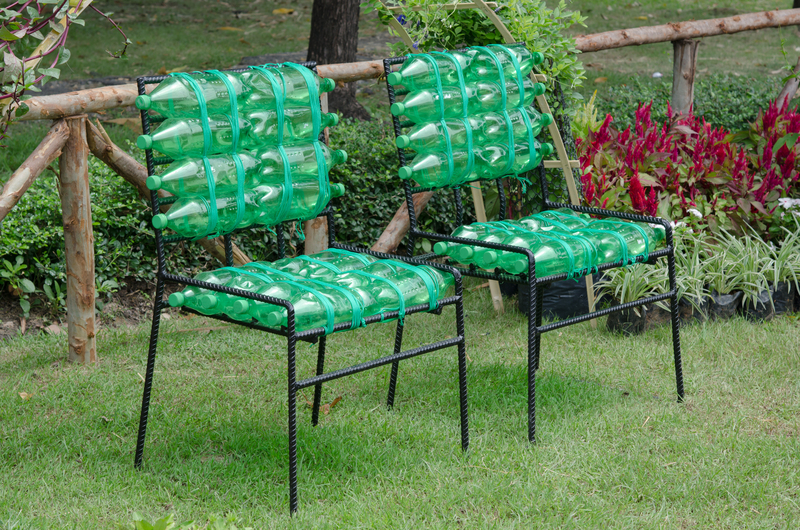
Smart Ideas for Reusing and Recycling Cookware
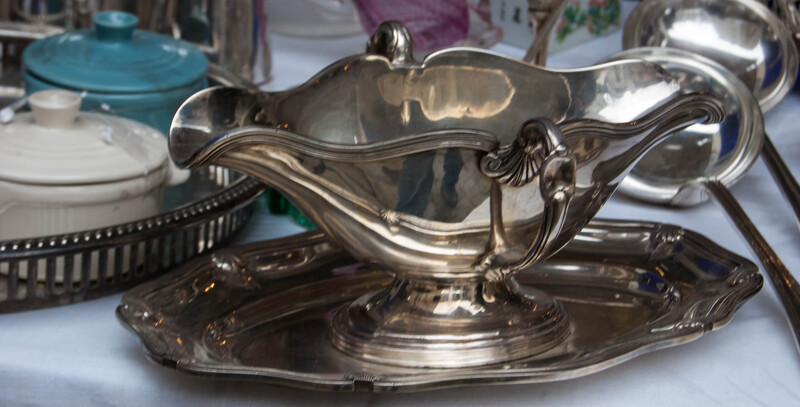
Smart Ideas for Reusing and Recycling Cookware is not just a tidy-up project. It is a practical, money-saving way to cut waste, reduce clutter, and amp up your kitchen game while doing something good for the planet. If you have a wobbling saucepan, scratched baking trays, a chipped casserole, or a box of orphaned lids that clink every time you open the cupboard, this guide is for you. We will go deep into repair, refurbishment, creative upcycling, and responsible recycling so you can make the absolute most of what you already own.
To be fair, many of us have kept a pan long past its best because it feels wrong to bin it. Good instinct. With the right know-how, your cookware can be repaired, repurposed, or recycled with surprisingly little effort. And if you are in the UK, there are clear rules and easy services that make the process safer and cleaner. Kettle on. Let us begin.
Table of Contents
- Why This Topic Matters
- Key Benefits
- Step-by-Step Guidance
- Expert Tips
- Common Mistakes to Avoid
- Case Study or Real-World Example
- Tools, Resources & Recommendations
- Law, Compliance or Industry Standards (UK)
- Checklist
- Conclusion with CTA
- FAQ
Why This Topic Matters
Cookware is hard-working and often sentimental. That cast iron skillet that sears like a dream, the old stainless pot you took to uni, the baking tray that has seen countless Sunday roasts. But when items chip, warp, or lose their non-stick, many people quietly toss them. That is a problem. Metals and ceramics require significant energy to produce. Recycling and reuse cut that impact dramatically. For instance, recycling aluminium can save up to 95 percent of the energy required for primary production, and recycling steel regularly saves well over half. Multiply that across millions of households and you begin to see why Smart Ideas for Reusing and Recycling Cookware are not just nice to have; they matter.
There is also the practical side. Reusing cookware keeps money in your pocket and space in your cupboards. A repaired pan is cheaper than a new one. A repurposed baking tray can become a magnetic spice board. A lonely lid can live a second life as a cheese board cover. Small wins add up.
Micro moment: It was raining hard outside that day, and you could almost smell the cardboard dust in the air as you pulled a battered roasting tin from a moving box. Not pretty. But fixable. And you did.
Key Benefits
- Save money by repairing or repurposing pans rather than buying new.
- Cut carbon by keeping metals, glass, and ceramics in circulation via reuse and recycling.
- Reduce clutter by turning seldom-used items into helpful tools or donating them to a good home.
- Support community through donations to local charities, community kitchens, and repair cafes.
- Learn practical skills like re-seasoning cast iron, swapping handles, and safe metal recycling.
- Improve safety by replacing damaged non-stick or warped pots that could cause spills and burns.
- Build resilience and a repair-first mindset that pays off in every corner of the home.
Truth be told, the best benefit is the feeling. Clean, clear, calm. That is the goal.
Step-by-Step Guidance
Here is the practical, no-faff method we use with clients for reusing and recycling pots, pans, and kitchen gear. Follow the steps in order and you will save time and avoid unnecessary waste. These Smart Ideas for Reusing and Recycling Cookware are tried and proven.
1. Audit your cookware
- Gather everything from cupboards, drawers, and that mysterious space above the fridge.
- Group by material: stainless steel, aluminium, cast iron, copper, carbon steel, enamelled steel, glass, ceramic, silicone, non-stick.
- Quick test: apply a magnet to identify ferrous metals (magnet sticks) vs non-ferrous (magnet does not stick). This helps later if you recycle or sell as scrap.
- Check condition: look for warping, loose handles, flaking coatings, deep scratches, rust, chips, and cracks.
Human aside: You may find three pasta pots and no lids that fit. Yeah, we have all been there.
2. Decide: keep, repair, repurpose, donate, or recycle
- Keep items that are safe, stable, and used at least monthly.
- Repair items with fixable issues like wobbly handles, light rust, or seasoning loss.
- Repurpose pieces with cosmetic issues or mismatched parts into useful household items.
- Donate duplicates in good condition to charities, community kitchens, or neighbours.
- Recycle items that are unsafe, badly warped, cracked, or have damaged coatings that cannot be repaired.
Only recycle pans you cannot repair or reuse. That is the waste hierarchy in action.
3. Clean and de-grease thoroughly
Before repairing or donating, remove baked-on grease and stains:
- Stainless steel and aluminium: simmer water with a spoon of bicarbonate of soda, then scrub. Avoid bleach on aluminium.
- Cast iron: scrub with coarse salt and a splash of oil. Rinse, dry fully, and re-season.
- Glass and ceramic: soak in warm soapy water, then use a non-scratch pad. Avoid metal scouring on non-stick.
- Non-stick: wash gently with soft cloth, mild detergent. If the coating is flaking, do not donate for cooking use.
Safety note: Work in a ventilated space. Wear gloves if using strong cleaners. It is not glamorous, but you will see results fast.
4. Repair common issues
Consider these Smart Ideas for Reusing and Recycling Cookware with simple repairs:
- Loose handles and knobs: tighten screws or replace with universal heat-proof replacements. Apply thread-lock or a dab of high-temp food-safe silicone if needed.
- Rivets: replace worn rivets with stainless pop rivets using a rivet tool. Check stability before use.
- Cast iron restoration: remove rust with steel wool, dry thoroughly, apply a thin layer of oil (flaxseed, rapeseed, or grapeseed), and bake at 200 to 230 C for an hour. Repeat 2 to 3 times.
- Warped trays and pans: small warps are fine for roasting, not for precise frying. Repurpose for the oven or turn into a magnetic board.
- Wobbly lids: swap knobs, add silicone washers, or reuse lids as splatter guards or under-plant saucers.
Note on non-stick: If a PTFE coating is deeply scratched or flaking, do not attempt home resurfacing for cooking. Either repurpose for non-food tasks or recycle responsibly.
5. Repurpose with purpose
Upcycling cookware can be elegant, not kitsch. A few ideas we have seen work beautifully in British homes:
- Magnetic spice board: old baking sheet as a wall-mounted magnet board for labelled spice tins. Looks sharp, saves worktop space.
- Herb planters: enamel pots and colanders as planters. Drill drainage holes if needed. Lovely on a balcony.
- Bird feeders: ladles or mini saucepans hung from a tree. Kids love this one.
- Under-sink organiser: shallow trays as sliding cleaning caddies.
- Tool tray: cast off roasting tins for garage screws and bits. Label with tape.
- Cheese dome: glass pot lids repurposed as covers for boards on the table.
- Art or clock: copper lids and pans make striking wall art or retro clocks.
- Press weight: a small heavy pan as a grill press for toasties or smash burgers.
Quick story: A client in Hackney turned a dented copper pan into a wall clock. It catches the morning light like a tiny sunrise. Not bad for a throwaway.
6. Donate wisely
If it is safe, clean, and useful, donate. Many charity shops on the high street take cookware in good condition. Community kitchens, mutual aid groups, and university societies often welcome donations, too. Always phone ahead to check hygiene rules. Avoid donating non-stick with coating damage, cracked glass, or items that are unsafe.
7. Recycle correctly
When reuse is not possible, it is time to recycle:
- Metals: stainless steel, aluminium, copper, and iron pans can go to your local Household Waste Recycling Centre (HWRC). Many UK councils accept pots and pans in the metal skip. Remove plastic handles if requested.
- Non-stick cookware: check your council guidance. Most HWRCs accept them in mixed metal. The PTFE coating is managed in industrial processes. If in doubt, ask.
- Electrical cookware: slow cookers, rice cookers, sandwich makers are WEEE. Take them to WEEE containers at HWRCs or return to retailers offering take-back.
- Glass and ceramic: toughened glass lids and ceramics often cannot go in regular glass recycling. Many centres have a rubble or non-recyclable skip for ceramics. Check locally.
- Scrap dealers: for larger quantities or high-value metals like copper, a licensed scrap metal dealer can pay per kilo. Bring photo ID as UK law requires cashless trades.
Ever tried clearing a room and found yourself keeping everything out of guilt. Let it go. Recycling is a good ending and a clean beginning.
Expert Tips
- Do the magnet test before you head to the recycler. Separate magnetic steel from aluminium and copper to get better sorting and sometimes better value.
- Season smarter: thin layers of oil, not thick. Bake upside down to prevent pooling. Wipe while warm after use to maintain the patina.
- Replace parts rather than gear. New handles, knobs, and lids are inexpensive. Many brands sell spares, and universal options fit most diameters.
- Avoid thermal shock: never dunk hot glass, ceramic, or enamelled cookware in cold water. That ping you hear is a crack forming.
- Keep chemicals gentle: for aluminium, skip caustic oven cleaners. For cast iron, avoid soap during seasoning stages.
- Dedicate old pans to non-food tasks like candle making, soap projects, or camping. Mark them clearly with a paint pen.
- Batch your drop-offs: gather metal items across the home (old curtain rails, bent cutlery, broken whisks) for one efficient trip to the HWRC.
- Photograph before donating: a quick picture helps keep track of what you have, and it is oddly satisfying to see the progress.
Small slip-ups happen. Be kind to yourself. This is a learning curve, not an exam.
Common Mistakes to Avoid
- Donating unsafe items: cracked glass lids, flaking non-stick, or loose handles put others at risk. Repair first or recycle.
- Using steel wool on non-stick: this shortens the life of the coating. Use soft sponges only.
- Forgetting to remove plastic before recycling metal pans. Mixed materials slow down processing.
- Overheating empty non-stick: it can degrade the coating. Always heat with a splash of oil or water.
- Skipping the dry step after washing cast iron. Rust creeps in fast. Warm the pan to drive off moisture.
- Assuming all glass is recyclable: cookware glass is different from bottles. Check council rules.
- Tossing e-waste in general waste: electrical cookware belongs in WEEE streams.
Another honest moment: we once melted a plastic knob under the grill because we forgot it was not oven-safe. House smelled like burnt spoons. Learn from our mistake.
Case Study or Real-World Example
Case: The Bristol family kitchen refresh
A family of four in Bristol asked for help before a kitchen refit. They had 28 cookware items and limited storage. Here is what happened over two rainy afternoons.
- Audit: 9 stainless pieces, 7 non-stick, 4 cast iron, 2 copper pans, 6 baking trays.
- Keep: 11 items, including two cast iron pans restored with seasoning.
- Repair: 6 items fixed with new knobs and screws. Cost under 20 pounds.
- Repurpose: 4 baking trays into a spice board and two tool drawers.
- Donate: 5 items to a community cafe after deep clean.
- Recycle: 2 warped non-stick pans and a cracked glass lid via the HWRC.
Outcome: they avoided buying three new pans, saving roughly 120 to 180 pounds, and reduced waste to a single small trip to the recycling centre. The client said the cupboards sounded quiet for the first time in years. No more clank avalanche each time someone reached for a saucepan.
Tools, Resources & Recommendations
Here is what we actually use for Smart Ideas for Reusing and Recycling Cookware, collected from years of kitchen tune-ups around the UK.
- Cleaning: bicarbonate of soda, white vinegar, mild washing-up liquid, non-scratch pads, microfibre cloths, fine steel wool for cast iron only.
- Repair kit: screwdriver set, hex keys, adjustable spanner, pop rivet tool and stainless rivets, high-temp food-safe silicone, thread-lock.
- Seasoning: flaxseed or rapeseed oil, oven-safe foil or tray, silicone brush.
- Upcycling: drill with metal bits, sandpaper, rust-inhibiting primer for display pieces, picture hooks or strong magnets, paint pens for labelling.
- Safety: gloves, eye protection, dust mask when drilling or sanding.
- Community resources: Repair Cafes for free fixes, Men's Sheds for workshop support, local Freecycle or community groups for donations, and council HWRCs for recycling.
- Retailer services: some retailers offer take-back for old cookware or electricals when you buy new. Ask at point of sale.
One more tip: keep a small envelope with spare screws, washers, and spare knobs in the kitchen. It is dull until you need it, then it is heroic.
Law, Compliance or Industry Standards (UK-focused if applicable)
Navigating the rules in the UK is straightforward once you know the basics. Here is the essential compliance map for reusing and recycling cookware.
Waste hierarchy and duty of care
- Waste hierarchy: UK policy prioritises prevention, then reuse, then recycling, energy recovery, and finally disposal. Our order Keep, Repair, Repurpose, Donate, Recycle mirrors this standard.
- Duty of care: under the Environmental Protection Act 1990, everyone has a duty of care to manage waste responsibly. Use licensed facilities and avoid fly-tipping at all costs.
WEEE for electrical cookware
- What counts: items with plugs or batteries such as slow cookers, rice cookers, mixers, air fryers. These fall under WEEE regulations.
- Take-back: many retailers offer like-for-like take-back when you buy a new electrical item. Household Waste Recycling Centres also have dedicated WEEE containers.
- Data and safety: if your cooker has a smart component, remove any personal data via settings before disposal.
Scrap Metal Dealers Act 2013
- Photo ID is required when selling scrap to licensed dealers. Payments are cashless by law.
- Licensed dealers: always use registered traders. This protects you and ensures metals are processed properly.
Product safety and donations
- General Product Safety Regulations 2005 apply to items supplied in the course of business. Charities and resellers must supply safe goods. As a private donor, use common sense: donate only safe, clean items.
- Food contact safety: if you refurbish and resell cookware, ensure materials remain food-safe and coatings are intact. Misleading claims can fall foul of trading standards.
Non-stick coatings and legacy chemicals
- PFOA was largely phased out in the EU and UK by around 2013 for non-stick production. Older pans may predate this. If in doubt and the coating is damaged, retire it from cooking and recycle the metal.
- Overheating PTFE: avoid preheating empty non-stick pans at high heat to prevent breakdown of the coating. Follow manufacturer guidance.
In short, use licensed services, donate responsibly, and when in doubt, ask your local council. They are helpful more often than not, even on a busy Monday morning.
Checklist
- Gather all cookware and sort by material.
- Inspect for warps, cracks, flaking coatings, rust, and loose hardware.
- Decide keep, repair, repurpose, donate, recycle.
- Clean thoroughly before any donation or storage.
- Repair handles, rivets, and season cast iron.
- Repurpose into organisers, planters, boards, or art.
- Donate only safe, clean, working items. Phone ahead.
- Recycle at HWRC or with licensed scrap dealers. Separate metals if possible.
- Record what you keep to avoid duplicate purchases later.
Tick it off, one by one. You will feel the space open up.
Conclusion with CTA
Smart Ideas for Reusing and Recycling Cookware are about respect -- for your money, your time, your home, and the materials baked into every pan. With a magnet test, a screwdriver, and a little imagination, you can give old cookware a second life or a dignified exit through proper recycling. That is the modern kitchen ethos: buy less, use longer, recover value at the end.
Ready to clear your cupboards, the right way. If you would like help with collection, responsible recycling, or a kitchen declutter, we can arrange it.
Get a free quote today and see how much you can save.
And if you do nothing else after reading this, maybe just fix that one wobbly handle. Small act, big feeling.
FAQ
How do I know if my old non-stick pan is safe to keep
If the coating is intact with no flaking and only light surface scratches, it is typically fine for gentle use. If the coating is peeling, deeply scratched, or you see bare metal, retire it from cooking. Repurpose for craft or camping, or recycle the metal via your HWRC.
Can I recycle pots and pans in my kerbside bin in the UK
Most councils do not accept cookware in kerbside recycling. Take them to your Household Waste Recycling Centre and place them in the metal skip. Always check your local council guidance first.
What is the best oil for seasoning cast iron
Flaxseed, rapeseed, or grapeseed oil work well. Use very thin coats, wipe excess, and bake at around 200 to 230 C for an hour. Multiple thin layers beat one thick layer every time.
Can warped baking trays be used safely
For roasting and general baking, a mild warp is usually fine. For precise pastry or delicate cakes where even heat matters, use a flat tray. Warped trays are great for upcycling into magnetic boards or garage organisers.
Do charity shops accept old cookware
Many do, provided items are clean, safe, and in good condition. Phone ahead. Do not donate chipped glass, cracked ceramic, or non-stick that is flaking.
Are copper pans recyclable
Yes. Copper is highly recyclable and valuable. If handles are brass or wooden, remove what you can. A licensed scrap dealer or HWRC metal skip will take them. Expect ID requirements and cashless payment with dealers.
What should I do with broken glass lids
Cookware glass is toughened and typically not accepted with bottle glass. Most HWRCs ask you to place it in a general waste or specific non-recyclable container. Wrap safely to transport.
Is it safe to repair cookware handles myself
Yes, if you use heat-proof, food-safe hardware and tighten everything securely. Avoid makeshift fixes that could fail during use. If in doubt, replace the part or consult a repair cafe.
Can I remove non-stick coating at home to expose bare aluminium
We do not recommend chemical stripping at home for cookware destined for food use. If the coating is damaged, either repurpose the pan for non-food tasks or recycle it. Safety first.
How do I dispose of electric cookware like a slow cooker
These are WEEE items. Take them to the WEEE container at your local HWRC or use a retailer take-back scheme when buying a new unit. Never put them in general waste.
Does recycling metal cookware actually save energy
Yes. Recycling aluminium can save up to about 95 percent of the energy compared to producing aluminium from ore. Recycling steel typically saves well over half. The environmental benefit is significant.
Should I remove plastic handles before recycling pans
It helps. Some facilities accept mixed items, but removing obvious plastic, rubber, and wood improves sorting. If you cannot remove them, the HWRC can usually handle it.
What is the quickest way to restore rusty cast iron
Scrub rust with steel wool, rinse, dry completely on a low heat, then season with thin oil layers baked in the oven. Three light rounds usually bring it back nicely.
Where can I find low-cost replacement knobs and handles
Hardware shops, online marketplaces, and some brand websites sell universal, heat-proof replacements. Measure the screw diameter and spacing before you buy.
Can old pans be used for camping instead of throwing them out
Absolutely. Dedicate a marked set for camping or outdoor cooking. It is a brilliant reuse, especially for pans that are a bit scuffed but still solid.
Final thought: Give your cookware one more look under good light. You might see possibilities where you saw only clutter. And that little shift changes things.